




Print Friendly and PDF

Artikel

'Humans remain essential as pilots, interpreters and decision makers.'

'Humans remain essential as pilots, interpreters and decision makers.'

Sustainability is a strategic success factor that goes far beyond mere compliance and opens up real competitive opportunities. Clear goals, reliable ESG data and transparency are crucial to making transformation credible and measurable. According to Dr. Matthew Bell, CEO of our partner Anthesis, impact is achieved above all when sustainability is firmly anchored in corporate strategy and consistently implemented in operational business.

Interview with Dr. Matthew Bell, Anthesis Group


1. You recently joined Anthesis from EY. What attracted you to the business at this point in your career, and what excites you most about leading the organisation?

Anthesis is trusted by many of the world’s largest organisations to accelerate their sustainability transformation thanks to its rare combination of scientific and technical expertise, advanced technology, creative thinking, and innovative financing. Its pure play focus on sustainable performance - an area I’ve dedicated nearly two decades to - made this an irresistible opportunity.


2. Where do you position the importance of corporate reporting within the wider climate, nature and sustainability transformation agenda?

Corporate reporting is foundational to the wider climate, nature and sustainability transformation, but it is not the destination. High‑quality, decision‑grade reporting forces organisations to quantify impacts, align financial and sustainability data, and surface the risks and opportunities that drive real transformation. When done well, reporting becomes the governance and accountability backbone that ensures strategies translate into measurable progress.


3. How do you define the role of reporting in building trust between companies and their stakeholders?

In constrained times, credibility comes from honest, data-driven communication – but one that has storytelling embedded to create the change agenda we’ve missed for too long. Report on both progress and setbacks with equal clarity, outlining your adaptive plan and placing it in stories that resonate with internal and external stakeholders. The use of the right language does matter, as we saw in our recent Hugging the Bear research. Sustainability functions should ensure their language matches their stakeholders' expectations and drivers – we're likely to make so much more progress if we meet people where they are and take them with us.


4. How is Anthesis preparing for the convergence of global reporting standards, including ISSB and CSRD?

Proactively and with a technical focus. As ISSB, CSRD and CSDDD move toward interoperability, we’re helping clients decode overlaps in disclosure requirements, data structures and control expectations. As an example, our new interactive regulations map models the applicability of these standards across entities and value chains, and our teams provide the technical guidance needed to build compliant, audit ready reporting systems.


5. Which ESG or impact metrics do you believe are most important to communicate today, and why?

For voluntary reporting, the most relevant metrics depend on an organisation’s business model, stakeholder expectations and local community context. That said, water stewardship is gaining significant prominence across the broader climate‑nature agenda. For organisations where water availability or quality is mission‑critical, it will naturally sit at the top of the priority list; for others, it may remain one of several secondary topics.


6. What is your view on AI and how it will reshape the future of sustainability and corporate reporting?

AI will fundamentally reshape sustainability and corporate reporting by accelerating data processing, improving accuracy and enabling real time insights. But its real impact lies in shifting the profession from manual reporting to scalable implementation.


7. How do you think AI is changing the consulting landscape? How will it alter clients’ needs?

The sustainability profession is at a critical inflection point. The gap isn’t strategy - it’s the speed and scale of implementation. Clients no longer need another slide deck; they need a partner who can de risk and accelerate the transition from ambition to measurable outcomes. AI can industrialise this work, but it still requires skilled professionals to design, validate and govern it. In fact, as AI advances, demand for sustainability expertise will grow, not shrink - because humans remain essential as the pilots, interpreters and decision makers.


8. Looking ahead, what do you believe will define leading practice corporate reporting over the next five years?

Leading practice in corporate reporting will be defined by a shift from reactive compliance to embedded, finance grade integration. Instead of operating in response to shifting deadlines, reporting will become part of core business processes, supported by clearer regulatory timetables and more stable requirements. This maturity will give organisations greater control, better data quality, and the ability to set - not just follow - the reporting agenda.


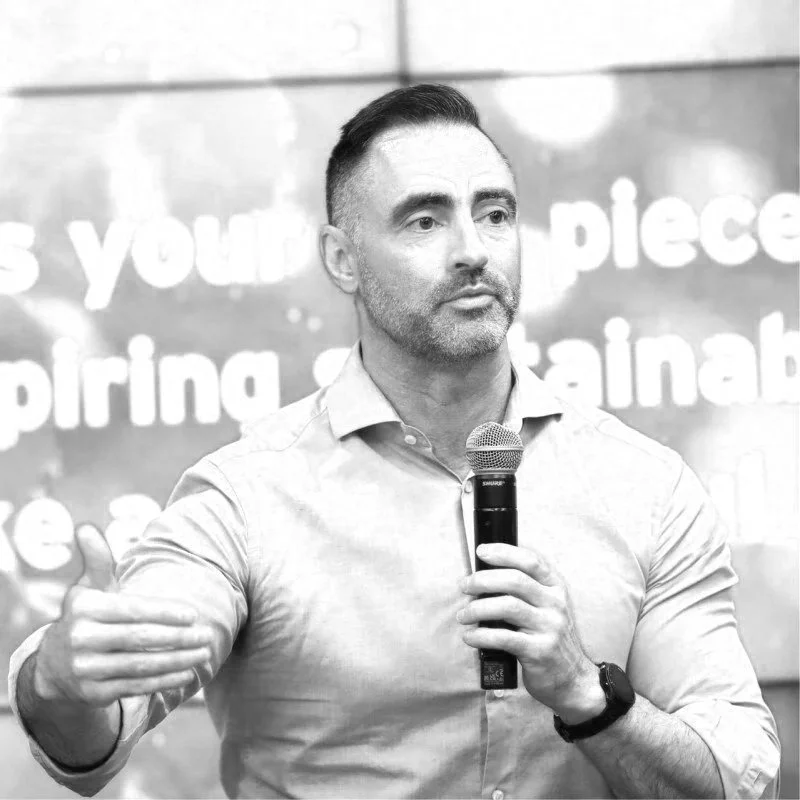
Dr. Matthew Bell

Dr. Matthew Bell joined Anthesis in December 2025 as Group CEO. He has more than 20 years’ experience supporting organisational transformation toward a more sustainable path, with a background working across the public and private sectors.

A career-long sustainability professional and a published scientist, Matt most recently steered EY’s Global Climate Change and Sustainability Services practice and previously led the program office for UK government on its major climate and energy policies.

He is the Chairman of the World Green Building Council Board, and a committee member for the ICC’s Sustainability Advisory Council, and the ACCA’s Global Sustainability Forum.


The world’s most transparent fund

The world’s most transparent fund

Norges Bank Investment Management manages the Norwegian Government Pension Fund Global. The aim of the fund is to ensure responsible and long-term management of revenue from Norway’s oil and gas resources so that this wealth benefits both current and future generations of Norway. The fund is the largest single owner in the world’s stock markets, owning almost 1.5 percent of all shares in the world’s listed companies.

Buchverlosung: "Die Kunst des Überzeugens" von Viktor Baumgartner und Alexander Peer

Buchverlosung: "Die Kunst des Überzeugens" von Viktor Baumgartner und Alexander Peer

Auf der Suche nach einem sinnvollen Weihnachtsgeschenk? Wir verlosen drei Exemplare des Buches "Die Kunst des Überzeugens". Die Autoren zeigen darin, wie wirkungsvolle Kommunikation gelingt – fundiert, praxisnah und inspirierend. Jetzt mitmachen – mit etwas Glück gehören Sie zu den Gewinnern und das Buch liegt schon bald auf Ihrem Gabentisch.

Nachhaltigkeit und Finanzen wachsen zunehmend zusammen, weil beide auf Verlässlichkeit und Transparenz beruhen

Nachhaltigkeit und Finanzen wachsen zunehmend zusammen, weil beide auf Verlässlichkeit und Transparenz beruhen

Dr. Reto Suter, Siegfried Holding AG, wurde dieses Jahr als «CFO of the year» geehrt. Im Gespräch verrät er, welchen Einfluss KI auf seine Arbeit hat, welche Funktion dem CFO beim Nachhaltigkeitsreporting zukommt und mit welchen Herausforderungen CFOs in Zukunft konfrontiert sein werden.

Digitale Berichterstattung: Pflichten, Chancen und Risiken für Schweizer Unternehmen

Digitale Berichterstattung: Pflichten, Chancen und Risiken für Schweizer Unternehmen

Viele Unternehmen, die an ausländischen Börsen kotiert sind, müssen bereits heute ihre Geschäftsberichte im maschinenlesbaren XBRL-Format veröffentlichen. In der Schweiz gilt ab dem Berichtsjahr 2025 für die Klimaberichterstattung von Unternehmen ebenfalls die Pflicht zur Veröffentlichung eines für Maschinen lesbaren Berichts.

Kürzliche Auswertungen von Aufsichtsbehörden zeigen, dass in der Praxis verbreitet Fehler beim Tagging der Daten auftreten. Unternehmen sollten jetzt prüfen, ob sie von der Pflicht zur Veröffentlichung ihrer Berichte im XBRL-Format erfasst sind. Und sie sollten rechtzeitig die erforderlichen Massnahmen für die gesetzeskonforme und aussagekräftige Berichterstattung treffen. Damit nutzen die Unternehmen die grossen Chancen, die eine verlässliche maschinenlesbare Berichterstattung in den Beziehungen zu Aktionären, Gläubigern und Investoren bietet.

Die neue Wesentlichkeitskonzeption zur Taxonomie-Verordnung

Die neue Wesentlichkeitskonzeption zur Taxonomie-Verordnung

Die Taxonomie-Verordnung verfolgt das Ziel, Kapitalströme und Investitionen gezielt in ökologisch nachhaltige Aktivitäten und Projekte umzulenken. Voraussetzung dafür ist ein klar definiertes und einheitliches Verständnis darüber, welche Unternehmensaktivitäten tatsächlich als ökologisch nachhaltig gelten. Dazu stellt die Taxonomie-Verordnung ein kriterienbasiertes System bereit, das eine präzise Klassifizierung ökologisch nachhaltiger Wirtschaftsaktivitäten ermöglichen soll.

CSRD-reporting – a value-add for investors?!

CSRD-reporting – a value-add for investors?!

The CSRD set out to fundamentally improve the ESG information environment by enhancing both the quality and quantity of ESG data. From an investor’s perspective, better-quality data, through greater comparability, reliability, and integration with financial reporting, promises improved ESG benchmarking, sharper financial analysis, and more accurate risk assessment, while curbing greenwashing. At the same time, broader data coverage across companies, value chains, and externalities can enhance visibility into long-term risks and support more informed portfolio decisions.

Rückblick: 16. Geschäftsberichte Symposium vom 18. Juni 2025

Rückblick: 16. Geschäftsberichte Symposium vom 18. Juni 2025

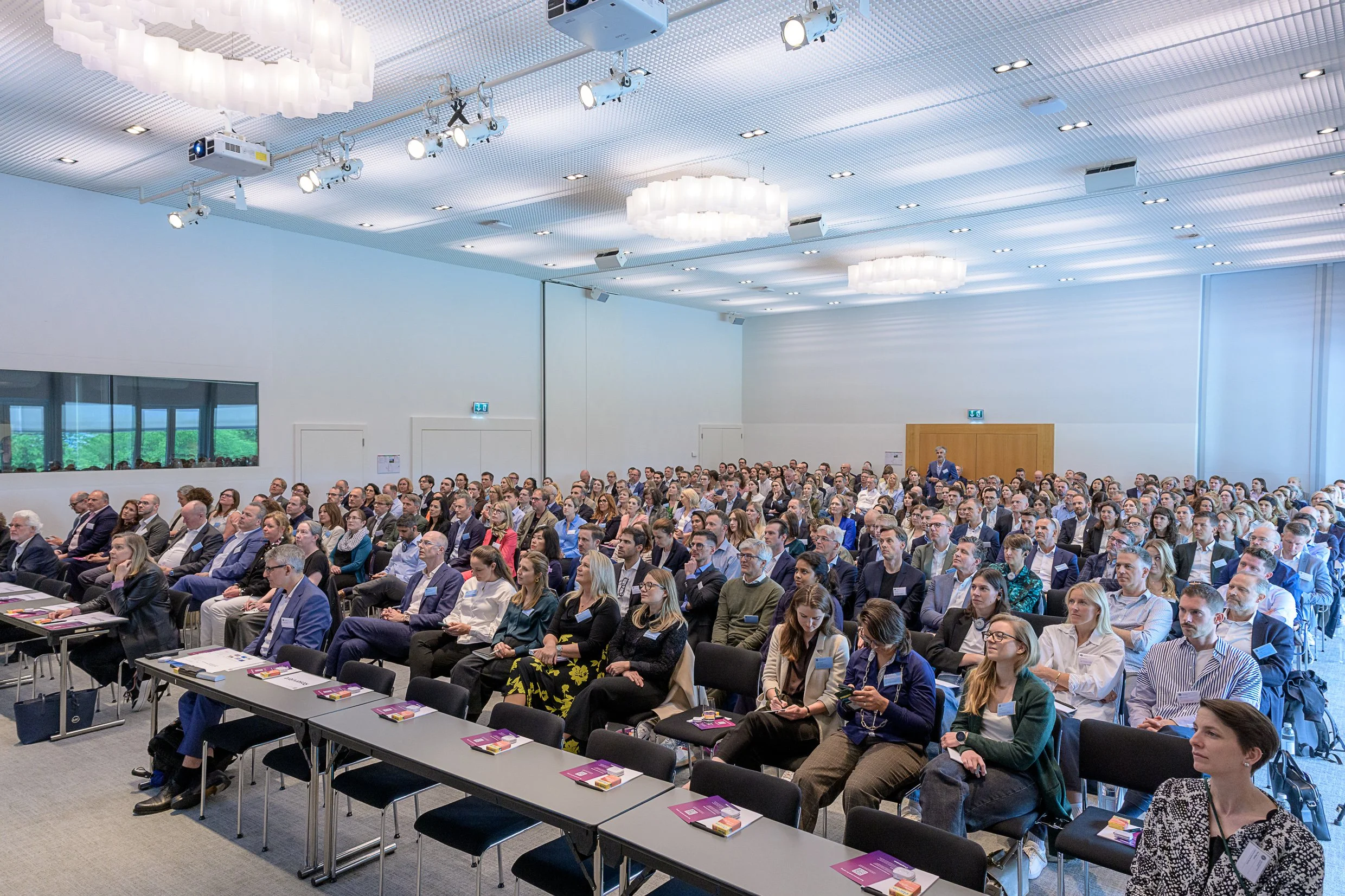
Mit einem neuen Teilnehmerrekord von über 300 Gästen war die 16. Durchführung des Geschäftsberichte-Symposiums am 18. Juni 2025 bis auf den letzten Platz besetzt. Den Teilnehmerinnen und Teilnehmern wurde im GDI in Rüschlikon wiederum ein vielseitiges Programm an inspirierenden Keynotes und praxisnahen Best-Practice-Sessions geboten. Lesen Sie hier mehr dazu.

From Vision to Reality: Clariant implements AI in integrated reporting

From Vision to Reality: Clariant implements AI in integrated reporting

For an extended period, the utilization of artificial intelligence (AI) for the preparation of integrated reports was considered a visionary concept. However, the specialty chemicals company Clariant is now leading the way with an innovative approach. The AI assistant “Clarita” aims to enhance the quality of the integrated report while freeing up resources for other critical tasks.

Green Claims: Regulatorische Herausforderungen in der EU und der Schweiz

Green Claims: Regulatorische Herausforderungen in der EU und der Schweiz

Umweltbezogene Angaben im Marketing und in der Produktkommunikation werden sowohl in der EU als auch in der Schweiz zunehmend von Konsumenten und Behörden herausgefordert. Die EU-Richtlinie zur Stärkung der Verbraucherrechte und die Green-Claims-Richtlinie stellen strenge Anforderungen an Unternehmen, die umweltbezogene Angaben machen, um Transparenz zu gewährleisten und Greenwashing zu verhindern. In der Schweiz verbietet der neue Artikel 3 lit. x des Gesetzes gegen den unlauteren Wettbewerb (UWG) ausdrücklich unsubstantiierte Aussagen zum Klima.

The CFO Sustainability Compass: guiding through regulation and transformation

The CFO Sustainability Compass: guiding through regulation and transformation

Companies must transform their business models to be sustainable and future-oriented while navigating the various legal requirements and regulations. The CFO will play a pivotal role in this transformation. The CFO Sustainability Compass assists decision-making by focusing on key areas of responsibility, especially finance, strategy, and growth.

16. Geschäftsberichte Symposium vom 18. Juni 2025

16. Geschäftsberichte Symposium vom 18. Juni 2025

Am 18. Juni 2025 findet die 16. Ausgabe des Geschäftsberichte-Symposiums unter dem Leitthema "Focus - Simplification - Dialogue” statt. Renommierte Referentinnen und Referenten aus Wirtschaft und Wissenschaft liefern in diversen Keynotes und Best-Practice-Sessions Einblicke und Inspiration zum Thema. Seien Sie mit dabei und diskutieren Sie mit! Wir freuen uns darauf, am 18. Juni 2025 zahlreiche Gäste im GDI Rüschlikon begrüssen zu dürfen. Jetzt anmelden!

Sustainability is Dead – Long Live Sustainability

Sustainability is Dead – Long Live Sustainability

Sustainability is at a crossroads. Political pressure, regulatory fatigue, and economic pragmatism are challenging the traditional ESG framework. With rising geopolitical tensions, protectionist policies, and short-term financial incentives dominating decision-making, sustainability is increasingly seen as a bureaucratic burden rather than a strategic advantage. But is this the end of sustainability as we know it, or the dawn of a more dynamic, opportunity-driven approach?

Regulatory Trends in Sustainability Reporting: Aligning Sustainability Data Management, Technology Architecture, and Governance

Regulatory Trends in Sustainability Reporting: Aligning Sustainability Data Management, Technology Architecture, and Governance

With the transition from voluntary to mandatory, substantiated, and auditable disclosure of sustainability information, companies need to advance their sustainability reporting processes in the areas of data management, technology architecture, and governance.

Die neue CSRD-Richtlinie: Ein Mehrwert für die Unternehmensanalyse?

Die neue CSRD-Richtlinie: Ein Mehrwert für die Unternehmensanalyse?

Die erhöhten Berichtspflichten bei der Nachhaltigkeitsberichtserstattung durch die EU-Richtlinie CSRD (Corporate Sustainability Reporting Directive) führen zu erheblichen Mehrarbeiten in Unternehmen. Aber schafft die angekündigte Flut an ESG-Daten für die Analyse und Bewertung börsennotierter Unternehmen einen Mehrwert und wie groß könnte dieser sein? Eine erste Einschätzung aus Sicht eines Finanzanalysten.

What for? Wesentlichkeitsanalyse als Ausgangspunkt der Nachhaltigkeitsberichterstattung und Treiber der Transformation

What for? Wesentlichkeitsanalyse als Ausgangspunkt der Nachhaltigkeitsberichterstattung und Treiber der Transformation

Die Wesentlichkeitsanalyse ist für die Erstellung eines Nachhaltigkeitsberichts von zentraler Bedeutung. Gleichzeitig bildet sie aber auch die Grundlage für die Befassung mit wichtigen Nachhaltigkeitsfragen im Unternehmen. Eine zeitnahe Umsetzung der doppelten Wesentlichkeit i.S.d. europäischen Vorgaben ist daher für Transformation und Berichterstattung essenziell.

Unternehmerische Nachhaltigkeit: Mit Vorgaben von aussen zur Transformation von innen

Unternehmerische Nachhaltigkeit: Mit Vorgaben von aussen zur Transformation von innen

Unternehmerische Nachhaltigkeit ist mehr als eine Pflicht. Äussere Vorgaben wie neue Gesetze bieten die Chance, Unternehmen von innen heraus zu transformieren, Innovationen zu fördern und wettbewerbsfähig zu bleiben. Das Forum ö 2024 zeigt, wie dieser Wandel gelingt.

Rückblick: 15. Geschäftsberichte Symposium vom 13. Juni 2024

Rückblick: 15. Geschäftsberichte Symposium vom 13. Juni 2024

Mit einem neuen Teilnehmerrekord von 300 Gästen war die 15. Durchführung des Geschäftsberichte-Symposiums am 13. Juni 2024 bis auf den letzten Platz besetzt. Den Teilnehmerinnen und Teilnehmern wurde im GDI in Rüschlikon wiederum ein vielseitiges Programm an inspirierenden Keynotes und praxisnahen Best-Practice-Sessions geboten. Lesen Sie hier mehr dazu.

Investoren brauchen Daten, mit denen sie in die Zukunft schauen können

Investoren brauchen Daten, mit denen sie in die Zukunft schauen können

Unternehmen veröffentlichen grosse Mengen an ESG-Daten. Doch Investoren und Vermögensverwalter sind oft ernüchtert. Ihnen fehlen überzeugende Angaben, welchen Bezug Nachhaltigkeitsthemen zur zukünftigen Wettbewerbsfähigkeit von Unternehmen haben. Thomas Pfyl und Gian Andro Pfister von Globalance erklären, was Unternehmen tun können, um diese Lücke zu füllen.

KI in Investor Relations

KI in Investor Relations

Künstliche Intelligenz (KI) in den Investor Relations (IR): Game Changer oder Challenger in der Finanzkommunikation? Dieser Frage ging eine Studie des Studiengangs Digital Business Communications der Fachhochschule St. Pölten in Kooperation mit junicorn consulting nach. Studierende befragten 253 börsennotierte Unternehmen und ihre IR-Abteilungen im DACH-Raum zum Thema.

15. Geschäftsberichte Symposium vom 13. Juni 2024

15. Geschäftsberichte Symposium vom 13. Juni 2024

Am 13. Juni 2024 findet die 15. Ausgabe des Geschäftsberichte-Symposiums unter dem Leitthema "Beyond Compliance - Making a Difference” statt. Renommierte Referentinnen und Referenten aus Wirtschaft und Wissenschaft liefern in diversen Keynotes und Best-Practice-Sessions Einblicke und Inspiration zum Thema. Seien Sie mit dabei und diskutieren Sie mit! Wir freuen uns darauf, am 13. Juni 2024 zahlreiche Gäste im GDI Rüschlikon begrüssen zu dürfen. SAVE THE DATE!

Durch das ‚Green Ledger‘ so relevant wie eh und je: Was Luca Pacioli uns heute für die nichtfinanzielle Berichterstattung lehrt

Durch das ‚Green Ledger‘ so relevant wie eh und je: Was Luca Pacioli uns heute für die nichtfinanzielle Berichterstattung lehrt

Das Konzept der doppelten Buchführung von Luka Pacioli wurde vor mehr als 500 Jahren erstmals veröffentlicht. Prof. Dr. Christopher Sessar erörtert in seinem Artikel, wie wir Paciolis Konzept und seine Erweiterung auf eine "Green Ledger"-Dimension als Gestaltungsprinzipien für einen modernen nichtfinanziellen Berichtsrahmen nutzen können.

Potenziale und Chancen der Berichterstattung

Potenziale und Chancen der Berichterstattung

Im diesjährigen Wettbewerb „Die besten Geschäftsberichte“ bewertet die Jury des CCI die kommunikative und gestalterische Qualität im Reporting, insbesondere die Darstellung von Nachhaltigkeitsthemen und deren mediengerecht Aufbereitung. Denn erst die gelungene Darstellung der ESG-Themen zeichnet ein umfassendes Unternehmensbild.

Navigating the ESG Reporting Technology Landscape

Navigating the ESG Reporting Technology Landscape

Growing stakeholder expectation, coupled with an increasingly complex and stringent regulatory landscape, has significantly fueled the surge in demand for ESG data management and reporting solutions. By effectively handling vast volumes of data, these solutions not only equip businesses with tools for informed decision-making but also pave the way for fresh avenues of growth and enhanced stakeholder engagement and guarantee audit-readiness and alignment with the applicable regulatory frameworks. However, today’s ESG reporting technology landscape is very crowded and fragmented, making the establishment of a clear taxonomy a challenging task. Learn more about how to navigate the ESG reporting technology landscape in this article.