
The world’s most transparent fund
Norges Bank Investment Management manages the Norwegian Government Pension Fund Global. The aim of the fund is to ensure responsible and long-term management of revenue from Norway’s oil and gas resources so that this wealth benefits both current and future generations of Norway. The fund is the largest single owner in the world’s stock markets, owning almost 1.5 percent of all shares in the world’s listed companies.
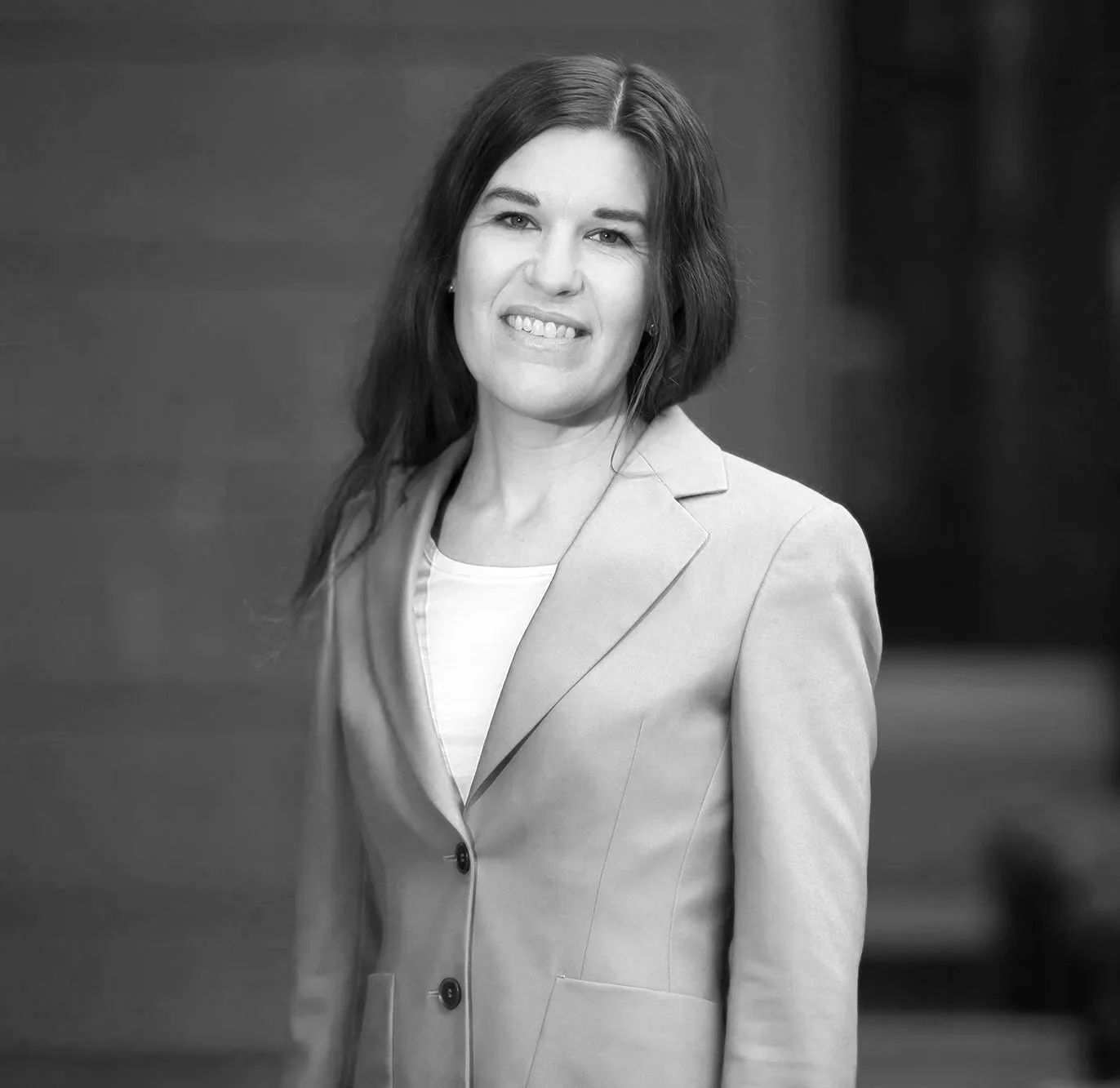
Interview with Marthe Skaar, Norges Investment Bank
1. In 2021, Norges Investment Bank made a bold commitment: you wanted to become the world’s most transparent investment fund. Why did you make this decision, and what business goals were you aiming to accomplish with it?
Managing the fund on behalf of the Norwegian people requires transparency and knowledge of our work, our mission and our core responsibilities is important in building trust. The goal was fundamentally about maintaining public trust and legitimacy for managing Norway's sovereign wealth. It was a bold ambition, and that was intentional. We designed this strategy goal to push ourselves in evaluating all aspects of our communication and to truly challenge our approach.
2. From your perspective, what does being transparent actually look like in practice — what kinds of information, access, and behaviours does it involve for Norges Investment Bank?
Our ambition has been to be open about all relevant matters to the extent this is compatible with sound execution of the management assignment. We aimed at increasing people’s knowledge and understanding of the fund by communicating complex messages in a simple way. And then we committed to communicate frequently, proactively, clearly and timely. A big part of this was modernising our communication by using social media channels and more accessible and digital storytelling across channels.
3. Before you made this commitment, what did your external reporting and communication look like, and where did you see the biggest gaps or criticism from investors, media, or the public?
We actually did not make this commitment due to criticism. We have for years had focus on good reporting and being clear on what our expectations are towards the companies we are invested in. One big shift was in how we were perceived as we opened up. We used to have very few people that could present at conferences, so we changed our mindset and positioned our employees as important ambassadors and knowledge builders. We went from 30 speakers in 2021 to 150 speakers last year.
4. How did you operationalise this promise—what did you have to build, change, or stop doing to make transparency real in the organisation?
We took several concrete steps. First, we modernized our digital communication and social media presence. Second, we dramatically expanded our speaker program - empowering employees across the organization to represent NBIM publicly. And then we really changed internal communication to ensure good information flow and learning across teams and global offices.
A pivotal moment came when CEM Benchmarking launched their transparency index for the world's largest funds. In the first year, we weren't on top - the Canadians beat us. We made a commitment to climb to number one. This index measure objective transparency across four parameters: performance, costs, governance and responsible investing. We assembled a working group to learn from the best and had extensive leadership discussions about where we could increase transparency.
5. What outcomes have you seen so far from this commitment, and how do you track or measure them?
We have a great focus on good data and have built a dashboard that is open for all employees in the firm. There you can find granular data on all external events, media coverage, podcast, social media, website and internal communication. From that you can as an example see how we reach a broader target group international by using employees that sit in different markets, how we reach more younger people through social media and how a record high number of 4 million visited our webpage nbim.no last year.
6. Can you describe your communication rhythm—how regularly you provide updates—and how you balance the pressure to speak often with the need to say something meaningful and accurate?
The fund does half-year reporting - we stopped quarterly reports in 2020 because as a long-term investor, that rhythm made more sense. We publish main numbers quarterly on our website, but reserve deeper analysis for semi-annual reports.
Beyond formal reporting, we communicate continuously through multiple channels and remain available to media. We publish a three-year strategy plan with yearly progress updates. We make all consultation responses public. To ensure companies understand our position as an owner, we publish expectation documents and voting guidelines, and we share our voting intentions five days before AGMs where possible. When we vote against management, we explain why publicly - so companies and stakeholders understand how our position supports long-term value creation.
7. You have just re-committed to this goal in your latest strategy update earlier this year. Looking ahead, what are the next big steps you plan to take on transparency, and how will outsiders notice the difference?
We will continue to be the world’s most transparent fund, within the limitations imposed by responsible implementation of the management mandate. We place particular emphasis on increasing knowledge among the fund’s owners, the Norwegian people, to support informed public debate. This means being clear on what the fund is – and what it is not. We will talk about the dilemmas we are facing. In an increasingly complex world, some measures may be perceived differently between our stakeholders in Norway and internationally. This requires communication that bridges different expectations and builds credibility across audiences. In practice, outsiders will notice more direct engagement on complex topics we're navigating, more transparency about trade-offs we face, and continued innovation in how we make information accessible to different audiences.
8. Many companies feel overwhelmed by new reporting regulations and experience transparency mainly as a compliance burden. Based on your experience, what would you recommend they do differently?
As an investor, good reporting on all relevant parameters is vital. Because what is not measured you cannot assess. For years we have pushed for good international reporting standards because we want the companies to follow a somewhat standardised regime, but what they report on must be relevant. We have in the last year advocated that companies should go from quarterly to half year reporting - but use that change to improve quality and free up management time for strategy and moving the company forward.
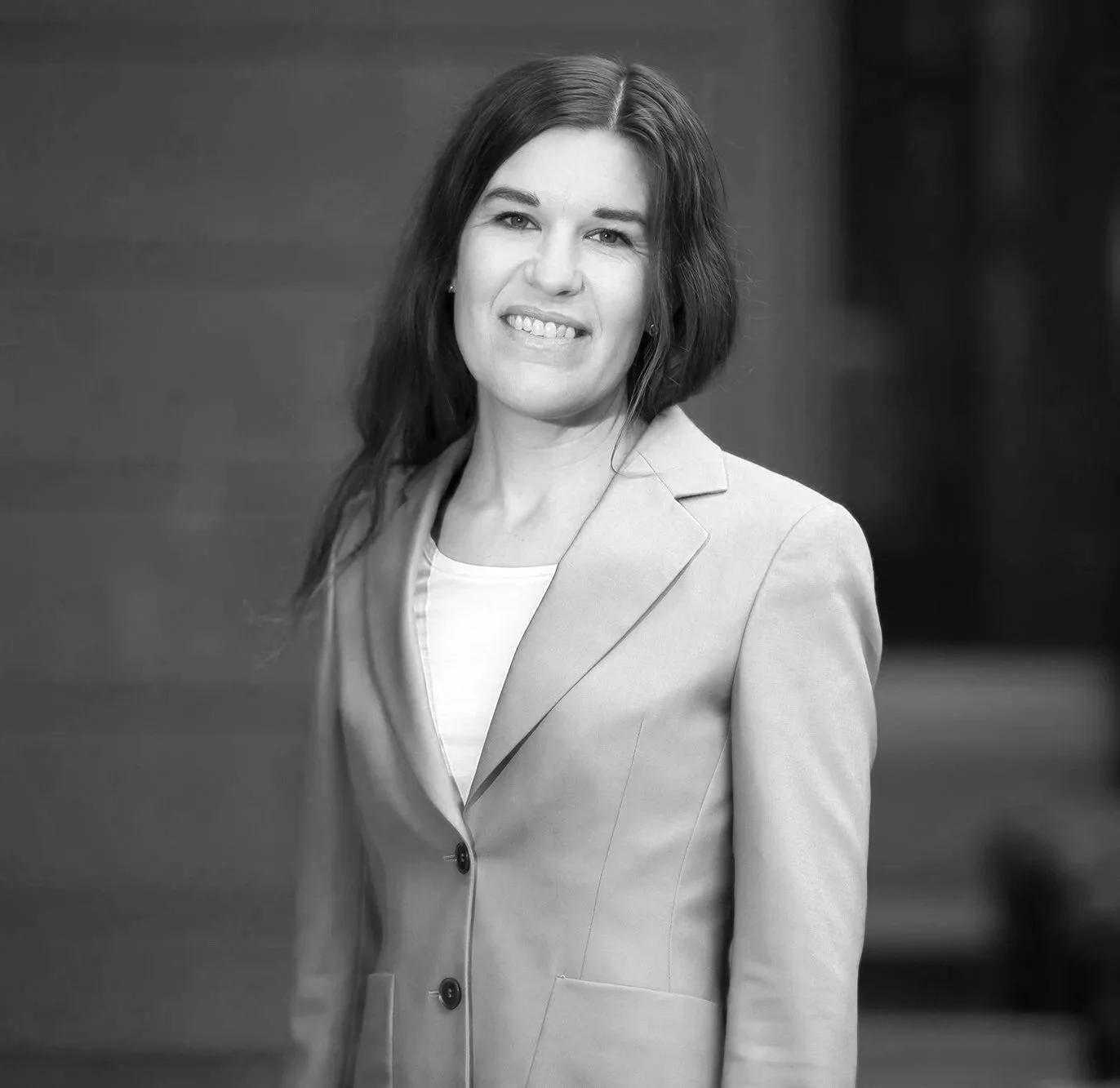
Marthe Skaar
Marthe Skaar was appointed Chief Communications and External Relations Officer on 1 April 2023. She is responsible for the Communications and External Relations area and has strategic responsibility for all global communication activities.