

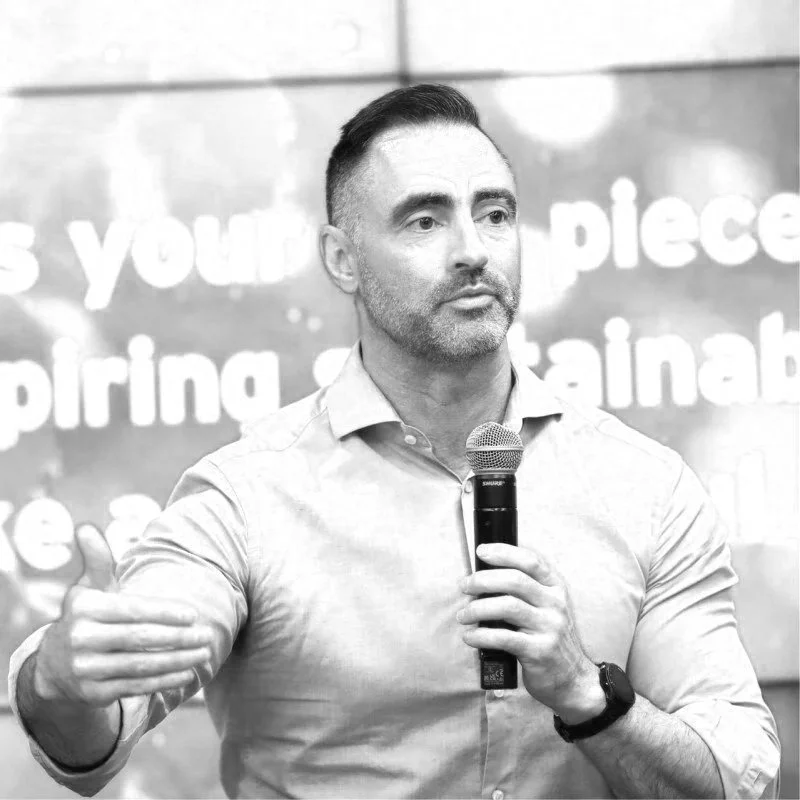
'Humans remain essential as pilots, interpreters and decision makers.'
Sustainability is a strategic success factor that goes far beyond mere compliance and opens up real competitive opportunities. Clear goals, reliable ESG data and transparency are crucial to making transformation credible and measurable. According to Dr. Matthew Bell, CEO of our partner Anthesis, impact is achieved above all when sustainability is firmly anchored in corporate strategy and consistently implemented in operational business.
Interview with Dr. Matthew Bell, Anthesis Group
1. You recently joined Anthesis from EY. What attracted you to the business at this point in your career, and what excites you most about leading the organisation?
Anthesis is trusted by many of the world’s largest organisations to accelerate their sustainability transformation thanks to its rare combination of scientific and technical expertise, advanced technology, creative thinking, and innovative financing. Its pure play focus on sustainable performance - an area I’ve dedicated nearly two decades to - made this an irresistible opportunity.
2. Where do you position the importance of corporate reporting within the wider climate, nature and sustainability transformation agenda?
Corporate reporting is foundational to the wider climate, nature and sustainability transformation, but it is not the destination. High‑quality, decision‑grade reporting forces organisations to quantify impacts, align financial and sustainability data, and surface the risks and opportunities that drive real transformation. When done well, reporting becomes the governance and accountability backbone that ensures strategies translate into measurable progress.
3. How do you define the role of reporting in building trust between companies and their stakeholders?
In constrained times, credibility comes from honest, data-driven communication – but one that has storytelling embedded to create the change agenda we’ve missed for too long. Report on both progress and setbacks with equal clarity, outlining your adaptive plan and placing it in stories that resonate with internal and external stakeholders. The use of the right language does matter, as we saw in our recent Hugging the Bear research. Sustainability functions should ensure their language matches their stakeholders' expectations and drivers – we're likely to make so much more progress if we meet people where they are and take them with us.
4. How is Anthesis preparing for the convergence of global reporting standards, including ISSB and CSRD?
Proactively and with a technical focus. As ISSB, CSRD and CSDDD move toward interoperability, we’re helping clients decode overlaps in disclosure requirements, data structures and control expectations. As an example, our new interactive regulations map models the applicability of these standards across entities and value chains, and our teams provide the technical guidance needed to build compliant, audit ready reporting systems.
5. Which ESG or impact metrics do you believe are most important to communicate today, and why?
For voluntary reporting, the most relevant metrics depend on an organisation’s business model, stakeholder expectations and local community context. That said, water stewardship is gaining significant prominence across the broader climate‑nature agenda. For organisations where water availability or quality is mission‑critical, it will naturally sit at the top of the priority list; for others, it may remain one of several secondary topics.
6. What is your view on AI and how it will reshape the future of sustainability and corporate reporting?
AI will fundamentally reshape sustainability and corporate reporting by accelerating data processing, improving accuracy and enabling real time insights. But its real impact lies in shifting the profession from manual reporting to scalable implementation.
7. How do you think AI is changing the consulting landscape? How will it alter clients’ needs?
The sustainability profession is at a critical inflection point. The gap isn’t strategy - it’s the speed and scale of implementation. Clients no longer need another slide deck; they need a partner who can de risk and accelerate the transition from ambition to measurable outcomes. AI can industrialise this work, but it still requires skilled professionals to design, validate and govern it. In fact, as AI advances, demand for sustainability expertise will grow, not shrink - because humans remain essential as the pilots, interpreters and decision makers.
8. Looking ahead, what do you believe will define leading practice corporate reporting over the next five years?
Leading practice in corporate reporting will be defined by a shift from reactive compliance to embedded, finance grade integration. Instead of operating in response to shifting deadlines, reporting will become part of core business processes, supported by clearer regulatory timetables and more stable requirements. This maturity will give organisations greater control, better data quality, and the ability to set - not just follow - the reporting agenda.
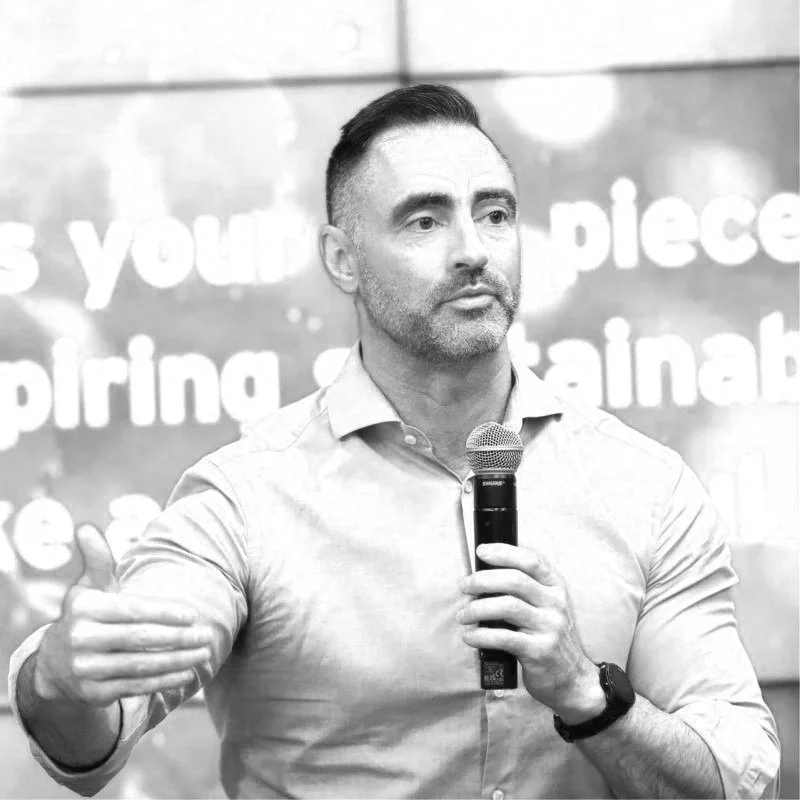
Dr. Matthew Bell
Dr. Matthew Bell joined Anthesis in December 2025 as Group CEO. He has more than 20 years’ experience supporting organisational transformation toward a more sustainable path, with a background working across the public and private sectors.
A career-long sustainability professional and a published scientist, Matt most recently steered EY’s Global Climate Change and Sustainability Services practice and previously led the program office for UK government on its major climate and energy policies.
He is the Chairman of the World Green Building Council Board, and a committee member for the ICC’s Sustainability Advisory Council, and the ACCA’s Global Sustainability Forum.