

The end of the soft sustainability era
Why 2026 will be remembered as a milestone year, alongside 1968, 1973 and 1989
By John Elkington
On 28 February 2026, the era of soft sustainability ended quietly. It had been under strain for a while, but the war made the change obvious. The Third Gulf War is not just a pause in the sustainability agenda. It shows the moment when our easy assumptions about geopolitics and the move to new energy sources faced reality.
Markets in their current form cannot meet our needs. Changing them by updating rules, incentives and information systems has always been a political job, not just a technical one. This war shows we are moving from soft sustainability to a tougher approach.
The soft approach depended on voluntary action, slow change, international deals and corporate goodwill, but that time is mostly over. What comes next will be harder in every way: stricter limits, tougher politics, stronger tools and, above all, harder choices. This is not just a choice between two options.
As GlobeScan CEO Chris Coulter told me recently, when people talked about soft and hard power, they agreed both were needed. The real question was how to balance them. We have reached that same point again.
Energy: from aspiration to security imperative
For 25 years, the transition was sold with ideas like cheaper solar, low carbon prices and slow policy changes. But when the Strait of Hormuz closed, and a fertiliser crisis hit Southeast Asia, everything changed. Prices for petrol, diesel, aviation fuel, electricity and food all rose simultaneously in a region still reliant on Middle Eastern hydrocarbons and ammonia. An ISEAS report from Singapore made it clear: the damage is so great because the region still depends on hydrocarbons.
These changes are now unavoidable. Renewables, storage, grid upgrades, electrification and alternative nitrogen are no longer just climate goals; they are now seen as national security needs. Expect to hear more about “energy sovereignty” rather than “energy transition”, and rooftop solar will be promoted as a protection against geopolitical threats. This approach will likely build a stronger coalition than climate concern ever did.
Critical minerals: the end of the open trading order
Soft sustainability assumed that materials for the transition would move freely in open markets, with ESG ratings helping to solve problems. Now, lithium, cobalt, copper, nickel and rare earths are being used as tools of national power. China controls processing and uses this to its advantage. Indonesia has taken control of its nickel, and Western countries are now hurrying to secure supplies from friendly nations.
In the 2030s, we will see strategic reserves, strict tracking rules, tariffs and export controls. The transition economy will split into two groups: a Western bloc and a China-led bloc, each with its own rules, funding and supply chains.
If you want to know who is setting prices in this new world, don’t look at climate summits. Instead, look at Lloyd’s and the insurance markets. They are now the main way climate and geopolitical risks are managed, doing what voluntary disclosure could not.
The fragmenting multilateral architecture
People in Southeast Asia saw America’s Operation Epic Fury as another clear sign that the rules-based order is being pushed aside by major powers who use force and make deals for their own gain. The influence behind the COPs, biodiversity and High Seas treaties, and plastics talks is getting weaker.
The COPs will probably keep happening as conferences but will become less important. Climate finance will flow through development banks and direct deals between countries rather than through UNFCCC channels. Carbon border adjustment rules will spread, with the EU’s system joined by British, Japanese and Canadian versions, and by China.
Soft sustainability was built on the idea that companies would choose to cut emissions, share information and stick to the 1.5°C limit. The war sped up a trend that had already begun: net-zero groups are breaking up, US financial firms are leaving climate alliances and corporate goals are getting weaker. Voluntary action cannot endure ongoing geopolitical pressure without strict rules to back it up, and we now see that these rules were often lacking.
The tougher approach relies on mandatory disclosures, with liability becoming more important. Litigation is now the primary means of enforcing rules, with legal cases brought against states, major companies and even directors personally. This replaces the softer pressure of shareholder resolutions and ESG ratings. The focus of change shifts from individual businesses to the markets themselves.
The 2030s: Maximum danger, maximum pressure, unimaginable change.
What this demands of us
Those of us who grew up after World War II need to stop expecting the world to agree on everything. We should stop relying on companies to act alone. We must treat defence and security as main issues, not side concerns. We cannot assume the energy transition will follow only climate logic. We also need to stop planning as if 2050 targets will shape what happens soon. They never did, and now, they probably never will.
The hard sustainability approach does not depend on how the Third Gulf War ends. Even if the war ends well, many ideas from the soft era will be left behind. Still, we should keep working to be more responsible, resilient and regenerative. The world is changing fast. Success will go to those who adapt to the new rules, not to those who cling to the past.
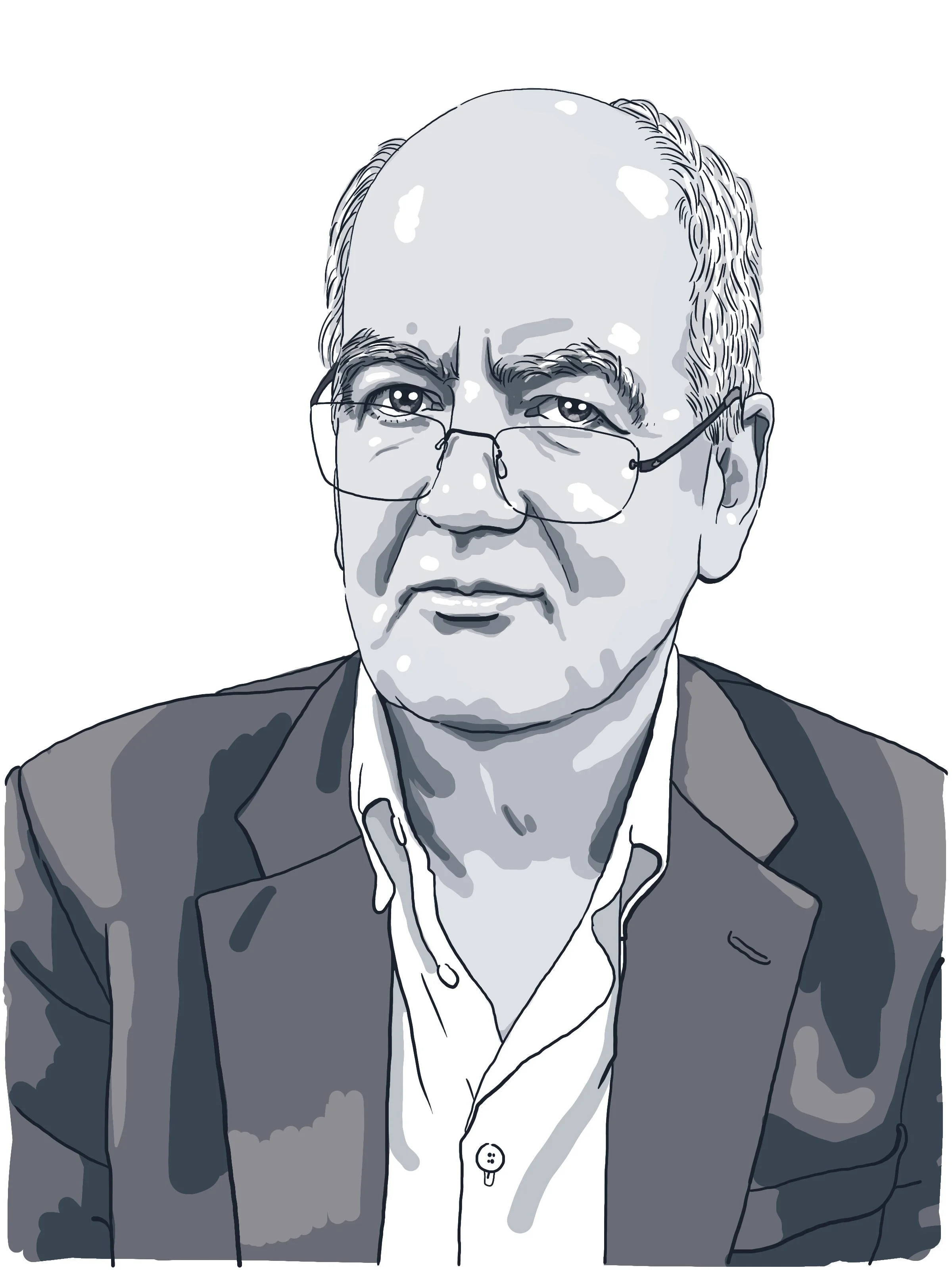
John Elkington
is known as a “godfather of sustainability”. Founder of Environmental Data Services (1978), Countercurrent (1983), SustainAbility (1987) and Volans (2008). 21 books to date, including Green Swans and Tickling Sharks (Fast Company Press, 2020/2024). Has served on 80+ boards and advisory boards.