

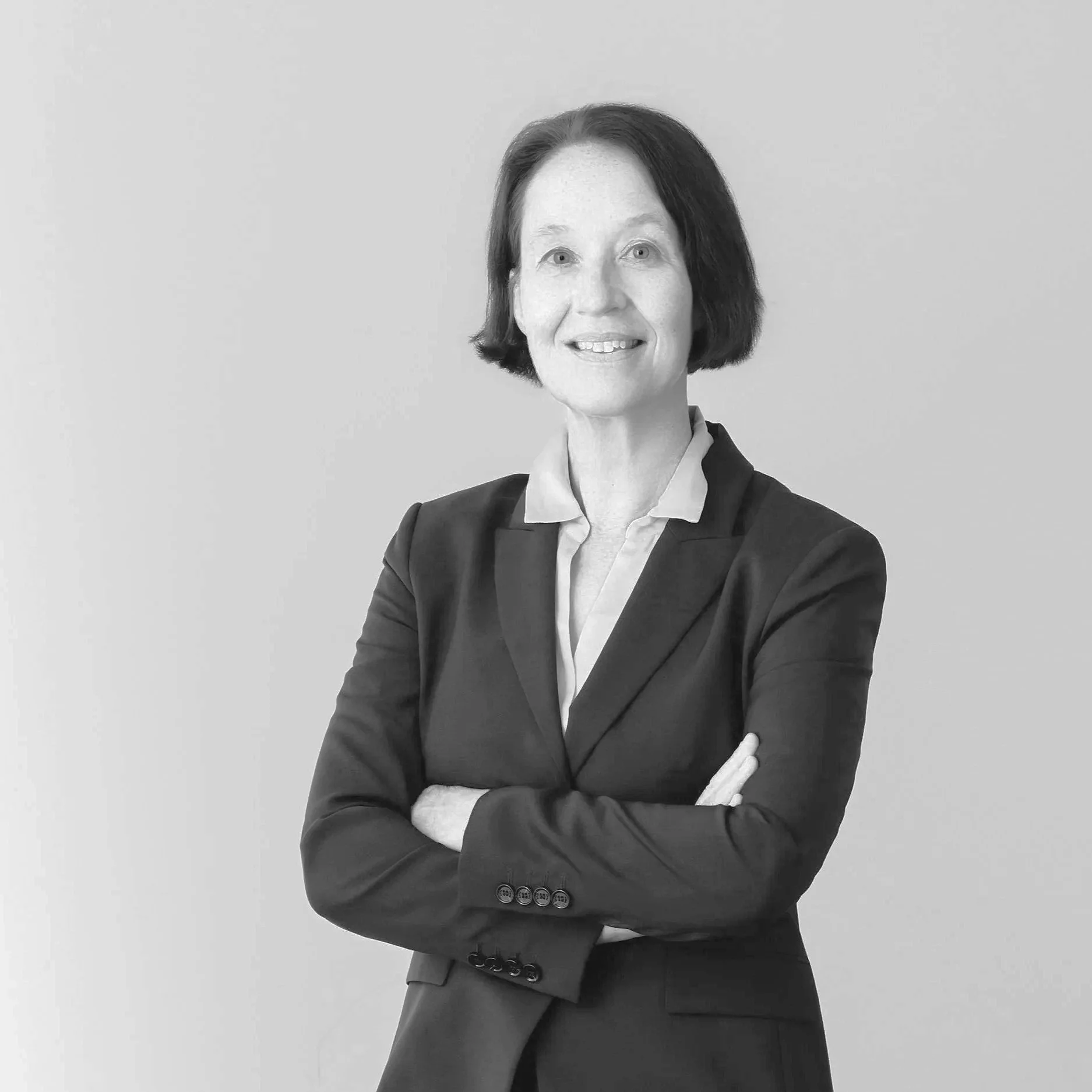
Leading finance with judgment in an AI-driven world
Judith van Walsum sees herself as a strategic CFO who combines financial excellence with organizational transformation. She is driven by creating sustainable growth, fostering self-managed teams and investing in people, because she believes that skills, motivation and agile working methods are what make the difference.
Dr Judith van Walsum in discussion with Barbara Zäch and Walter Thomas Lutz
Dr van Walsum: What excites you about the CFO role? What energizes you?
Making a difference; to see how performance is improving with the growth and transformation of the team.
As CFO, what is the most important insight you have gained from the current economic challenges that could also be relevant to other companies?
A lot in my role is about “risk & opportunities” – what risks do we see, what is the likelihood of those coming to fruition, how do we mitigate the risks and where do challenging situations actually open up new doors and create new opportunities?
What is key is both proactivity – so, preparedness “just in case” – and a fast response. You can have a head start and a competitive edge by anticipating change and responding fast. We have seen that in the case of the US tariffs and the disruptions in the global supply chain caused by the Middle East crisis.
What are the biggest challenges that you think CFOs will face in the next three to five years?
Building on what I just mentioned, strategic planning including driver-based and scenario analyses will have to be at the forefront of the CFO’s agenda, as should more real-time and less time-consuming forecasting. Both help increase the preparedness of the organization for different events and allow for a more agile response.
The basic challenge of allocating resources effectively and efficiently towards the implementation of a given corporate strategy will not change. However, in the current economic and geopolitical environment, this challenge will become even more pronounced as there is less wiggle room. It remains a balancing act to keep performance up, invest in long-term growth and drive cost discipline and cash discipline at the same time. A pertinent example of this is the need to invest in AI and further automation, yet without burdening the business with a material increase in IT and related costs.
A world that is changing, however, is also a world of opportunities. Looking at Datwyler’s business, it is exciting to see what new developments are coming up in the areas of personalized healthcare or robotics, and how biosensing electrode technology or soft-sensing and actualization can make a difference to user applications.
Everyone is talking about artificial intelligence (AI). Where do you see the most exciting potential in your field?
Automation (in the more traditional sense of the word) can help take out repetitive, transactional tasks, free up time for more value-adding activities in finance, reduce errors and improve compliance. AI can support efficiency and productivity goals even further through, for instance, chatbot functionalities that help interpret the accounting manual and finance policies (co-pilots or RAG applications).
In addition, AI could be very interesting for driver-based planning and forecasting.
What role can data-driven analytics and AI tools play in validating business decisions, and what are their limitations?
A lot depends on the quality of the data (garbage in – garbage out) and the setting of the parameters (did we think it through what we are actually asking for?). Key for me is that the finance team is actually ready to use AI in their analytics, insight generation and planning. So another key challenge for the CFO is to build up the new capabilities needed for a more digital world.
I also would like to speak to the impact of AI on entry-level jobs, as I do believe this development will lead not only to a “lost” generation but also could raise organizational challenges in a decade. AI depends on deep experts who are able to ask the right questions, validate the results and apply discretionary judgment. If an organization no longer hires at entry level, sooner or later the pipeline of experienced mid-career employees that did have a chance to build up their expertise will dry up.
What risks do you see associated with AI, and how does Datwyler address them?
AI can be a real “resource eater”, particularly when an organization starts many different projects on different technology platforms that never really get beyond the pilot stage and thus do not deliver the performance contribution or return on investment aimed for.
I would say we are at the beginning of the AI journey within Datwyler. We started with determining what matters most to us. First, AI must generate value, so improve quality, performance, efficiency, speed, risk or competitive advantage, within a given period. If a use case does not deliver that value, it will not proceed. Second, AI should strengthen human judgment; it should not replace accountability. Our people must stay responsible for decisions on risk, quality, compliance and customer impact. Last, AI must operate within clear guardrails and security standards that keep data, know-how and people protected.
We seek to build up AI as a capability with data being the strategic asset. Scaling is critical in our organization as we can only get the return on investment if we can re-use the capabilities developed across the organization. So, we use an approach where we built up (Lego-style) a shared enterprise AI platform that allows for scalability. The use cases we have prioritized are mainly focused on manufacturing, to ensure we have a material impact.
AI should be part of the daily routines; we want AI to be built in vs. bolted on. This means that not only the technology matters but that, holistically, all preconditions need to come together to implement a use case effectively, e.g. data readiness, end-to-end integration and organizational readiness. The challenge is to provide governance and at the same time, the room and flexibility to move fast.
This issue of The Reporting Times is titled “Share. Learn. Implement.” What is the current situation with Datwyler? Where do you see the greatest potential for fostering mutual learning?
We tend to think in terms of organizational structures and hierarchies. Yet, the biggest potential for learning comes when people work together towards a shared goal – across functional or geographical boundaries. Leveraging communities or networks helps unlock the potential in an organization.
I have not been in a situation where we could not overcome a sticky problem by working together. Key is that it is clear what outcome we are striving for.
The world is changing faster than ever. How do you stay at the forefront of your field and continue your professional development?
Since we cannot predict what will happen, when or how, versatility is important. Do you have the capabilities that are needed to manage vastly different situations well, adapt to new circumstances and select new paths towards your goals, or change your role as need dictates? In my eyes, the ability to adapt and be flexible is most important to manage and cope with changing conditions and support the company effectively. It helps you to be resilient in the face of challenges.
To stay on top of what is relevant in finance itself, I learn from the experiences and insights of others; I have a good network of partners and peers. Attending a conference and/or consulting key readings always triggers innovative ideas.
And what do you do to stay physically and mentally fit?
I like to do sports: hiking, skiing, tennis but also classical ballet.
To wrap up, one final personal question: which historical figure, living or dead, would you like to go hiking with, and what would you talk about?
Nelson Mandela: resistance, change, tolerance and acceptance. We would hike up to a viewpoint and look out over the Atlantic Ocean on a windy day.
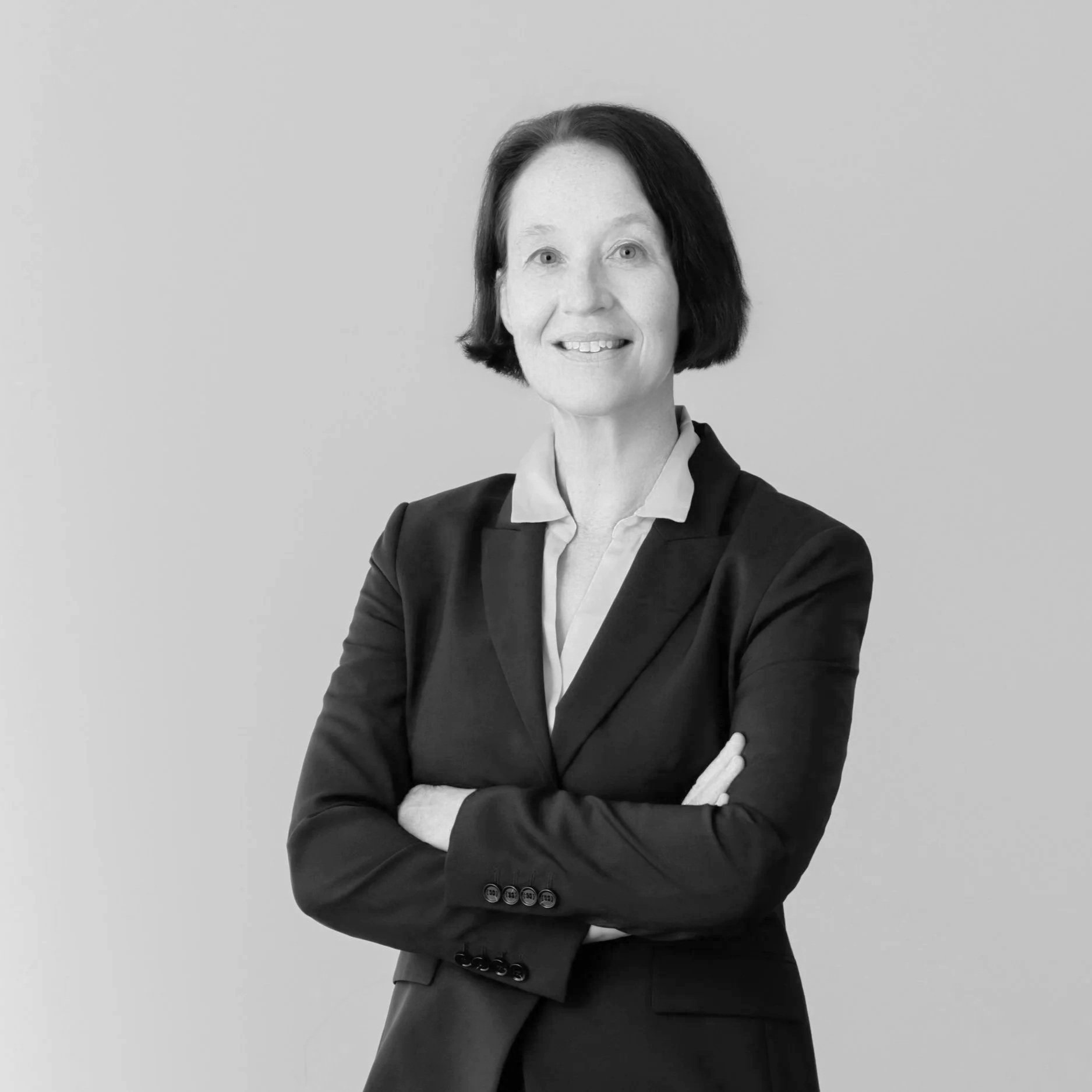
About the person: Dr Judith van Walsum
Judith van Walsum is CFO and a member of Datwyler’s Executive Board, leading Finance & Shared Services. Previously a Datwyler Board and Audit Committee member, she held senior roles at Roche and KPMG. Originally from the Netherlands, she holds a PhD from the London School of Economics.