

Sustainability as transformation: a new mindset for future-fit businesses
In an era of geopolitical uncertainty, technological disruption and rising societal expectations, sustainability can no longer be a regulatory burden or extra cost. For decades, sustainability and economic performance were seen as opposing goals, creating a false dichotomy that led companies to defensive and expansive compliance-driven approaches. Due to the current global uncertainty and economic challenges, this old sustainability mindset is coming to an end. Today, it is clear that economic success and sustainability need to be deeply integrated: ignoring ecological and social limits undermines business viability, while sustainable development requires entrepreneurial innovation, advanced technology and future-fit businesses.
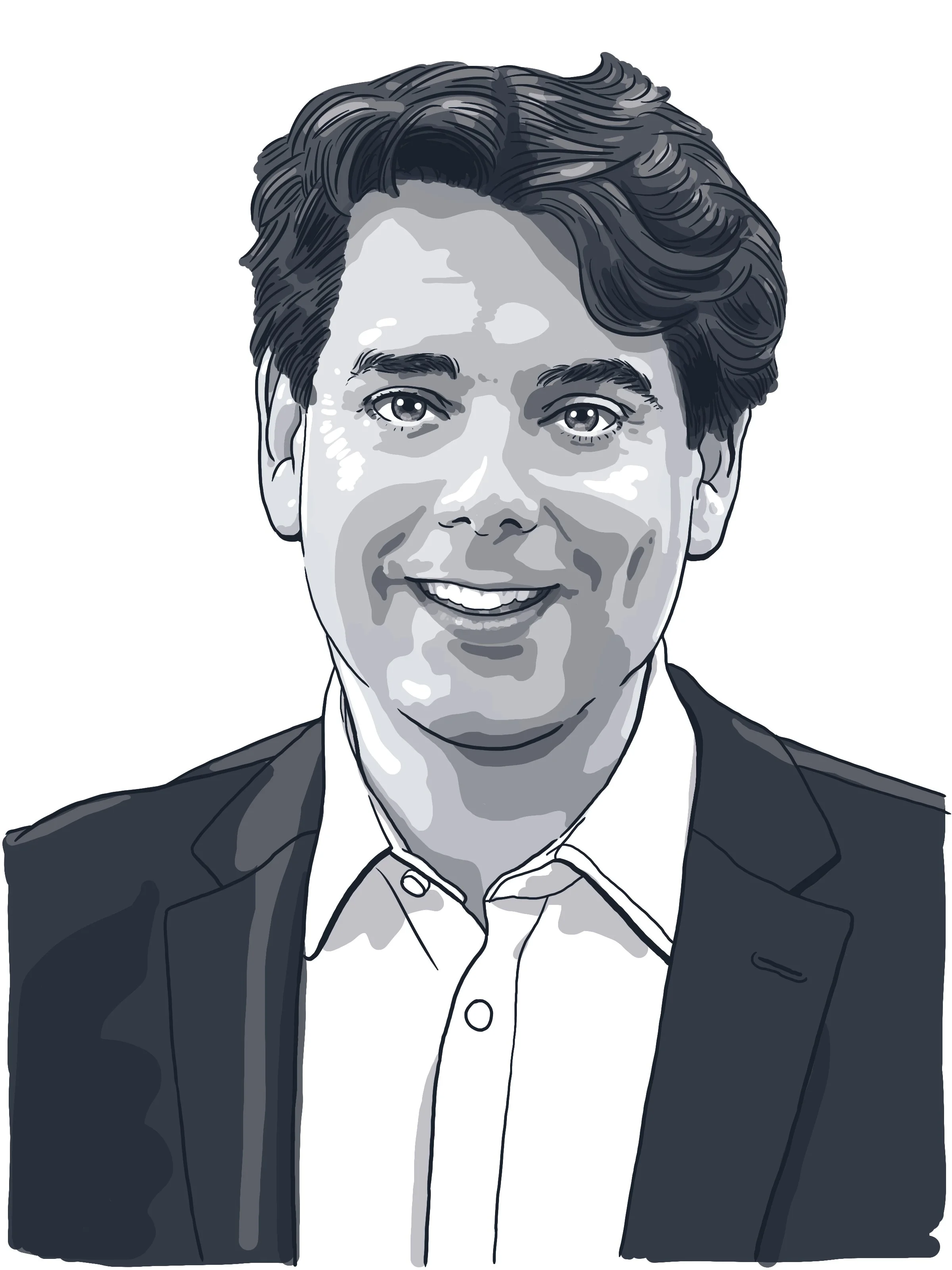
By René Schmidpeter
In the current crises, the discussion about sustainability is evolving towards a strategic business logic linking value creation, innovation, societal benefit as well as human wellbeing. Companies adopting new energy systems, circular business models, positive impact and wellbeing-focused practices gain new markets, accelerate technological progress and strengthen their competitiveness. Corporate Social Responsibility (CSR) is evolving from a mere compliance- oriented reporting function into a strategic core function that integrates economic, environmental, social, knowledge and wellbeing considerations into business strategies and thus aims at the future-fitness of business and society.
Hybrid intelligence – the combination of human judgment with AI-driven decision-support – has become an important enabler of this new management mindset in the sustainable transformation. It allows companies to optimize resource use, anticipate long-term social and environmental impacts and make informed, scalable decisions that align with broader business goals. Many organizations are already using new technologies for investing in integrative business strategies, circular production, responsible supply chains and employee wellbeing. In this transformation processes sustainability is increasingly recognized as a driver of innovation rather than a bureaucratic obligation.
Thus, the current transformation in management requires a fundamental mindset shift and responsible leadership. Responsible leaders are integrating economic, social and environmental objectives by creating integrative visions, merging diverse perspectives and framing sustainability as a business opportunity. Continuous learning, systems thinking, interdisciplinary collaboration and governance of hybrid intelligence are essential in this new management paradigm. Companies investing in employee development, wellbeing and smart decision-support systems are better positioned to translate sustainability ambitions into tangible innovations, value creation and future-fitness.
Together, responsible leadership, wellbeing-centered strategies, hybrid intelligence and continuous skill development form the foundation of a new sustainability narrative among business-leaders. Future-fit businesses are increasingly part of the current transformation, shaping an economy that is competitive, resilient, human-centered and environmentally responsible and thus sustainable.
Key Takeaways
Sustainability, profitability and wellbeing are mutually reinforcing. Integrating all three enables resilient, continuous business success while benefiting society.
Hybrid intelligence improves decision-making, resource efficiency and innovation. Combining AI with human judgment creates forward-looking, scalable solutions.
CSR evolves into a strategic core function, embedding sustainability into business models instead of treating it as a compliance requirement.
Responsible leadership and continuous learning foster a culture of innovation, collaboration and proactive thinking.
Businesses can deliver scalable solutions to ecological, social and wellbeing challenges, leveraging technology, expertise and capital for positive impact.
A new sustainability narrative as well as responsible leadership is the base for future-fit businesses.
For further information on this subject please find a free whitepaper here.
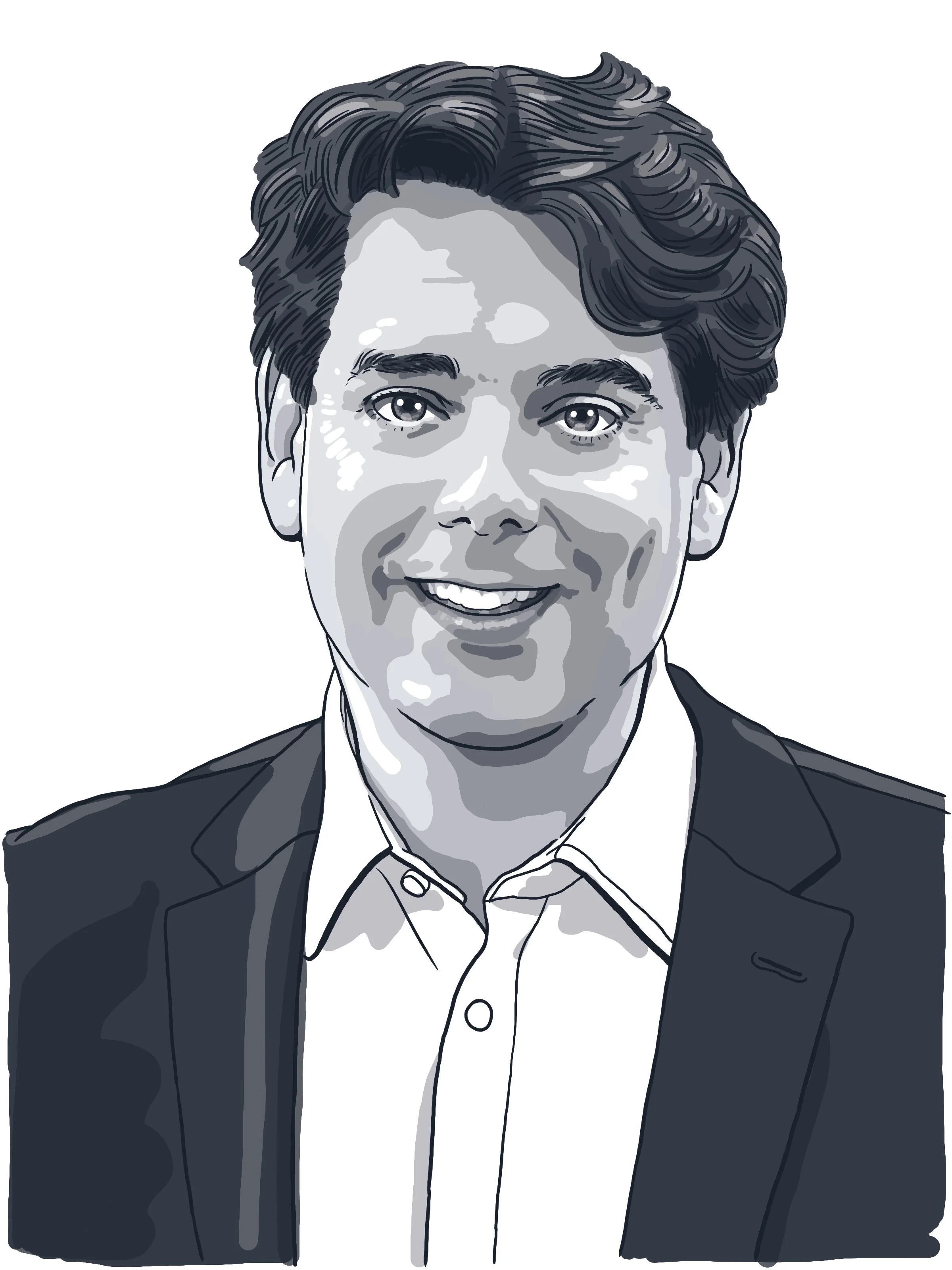
Prof. Dr. René Schmidpeter
is a thought leader in sustainability and transformation, Professor of Sustainable Management at BFH Bern and visiting professor at several universities. He edits the International Journal of Sustainable Business and co-founded Tetranomics SE.