

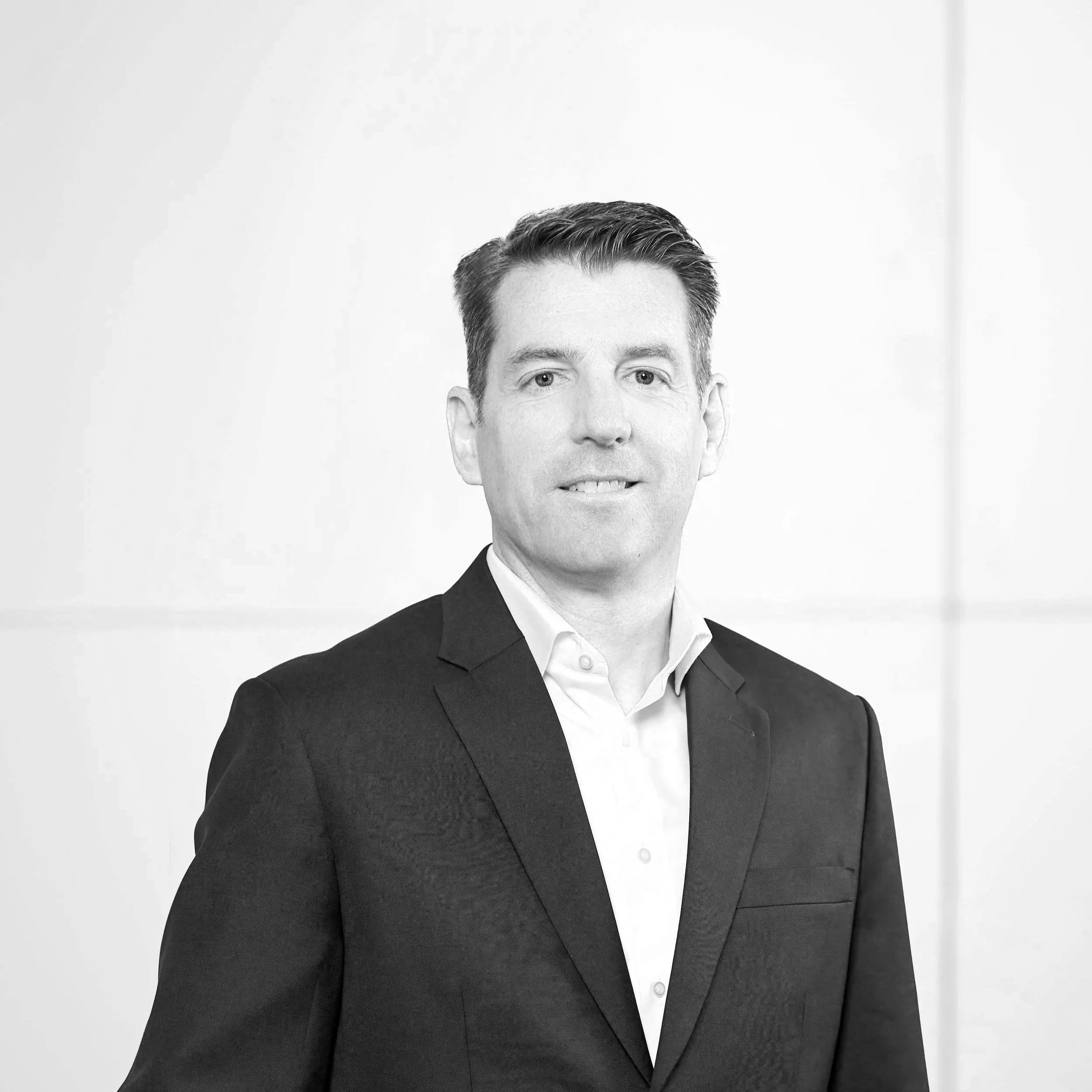
Future-fit finance in a volatile world
In his first year as CFO of Clariant, Oliver Rittgen explains why disciplined execution and delivering on commitments is important, how business steering is balancing growth, margins and cash, and why sustainability, AI and trust are central to staying future fit in a turbulent geopolitical and economic environment.
By Barbara Zäch with Oliver Rittgen
You have been CFO at Clariant since August 2025, after around 25 years at Bayer – what particularly attracted you to this new role?
What attracted me to Clariant was the combination of a solid organizational foundation and a clear transformation agenda. Over recent years, the company has repositioned itself as a pure-play specialty chemicals company, strengthening governance and sharpening its portfolio. The focus on consumer businesses with attractive markets and prospects offers us significant opportunities and I want to leverage my experience in the life science industry to help the organization grow these businesses further.
A key element of the transformation is Clariant’s purpose, “Greater Chemistry – between people and planet”. What resonated with me is that this purpose was developed through dialogue with customers and employees and translated into a concrete operating model, including stronger customer focus, clear P&L responsibility in the business units and an emphasis on innovation and sustainability, which is a key differentiator for us.
What experiences from your time at Bayer have had the greatest impact on you, and how do they influence your thinking as CFO today?
One of the most important lessons from my time at Bayer is that complexity and volatility are not exceptions. Operating through periods of geopolitical disruption, regulatory change and portfolio transformation reinforced my conviction that strong fundamentals matter most: a clear strategy and priorities, disciplined capital allocation and transparent decision-making.
I also learned that trust, both internally and externally, is built through delivery rather than narratives. Markets, employees and partners respond to consistency over time. This experience shapes how I approach the CFO role today: focusing on execution, making trade-offs explicit and ensuring that financial targets are grounded in operational reality.
Finally, working in a large, innovation-driven company reinforced my belief that finance needs to act as a co-pilot in the organization to drive business performance and to foster the right investments in innovation to create differentiated value for our customers.
The theme of this issue is “future fit in a turbulent world”. What does “future fit” mean from your perspective in terms of financial organization and strategy?
In today’s geopolitical environment, being “future fit” means building a strategy that remains robust amid volatility, shifting trade relationships and changing political priorities. Recent years have shown how quickly external conditions can change – from the pandemic to the war in Ukraine to rising trade tensions and uncertainty around sustainability policies.
At Clariant, we start from the conviction that sustainability is not a political project but a long-term economic reality. Climate change, pollution and resource constraints are already shaping customer demand. We deliberately chose not to wait for regulation, but to anticipate these needs early. Sustainability is therefore embedded in our innovation agenda, our strategy and our value creation logic. This conviction is reflected in our financial targets.
We are targeting annual growth of 4-6%, 19-21% reported EBITDA margin, and around 40% free cash flow conversion to be achieved by 2027. From a finance perspective, being future fit means translating this strategy into disciplined cost and cash productivity improvements, an effective capital allocation, ensuring investments are driving differentiation and market share gains.
To what extent does Clariant use modern technologies (e.g. AI/automation) in its finance function?
Clariant is already in a strong position when it comes to AI, most notably through Clarita, our internal AI-powered digital assistant. Clarita is available to all employees and operates within a closed, secure system based on Clariant’s own data. It supports everyday work by improving access to information, increasing productivity and enabling teams to develop their own targeted applications.
This approach has also been recognized externally. A recent survey among leading professionals in the chemical industry, conducted by VAA, ranked Clariant first out of 21 companies for its use of AI.
For the finance function, the next step is scaling. We see significant potential in areas such as predictive forecasting and business steering across the entire value chain. Combined with further automation through Global Business Services, AI will increasingly help finance shift its focus away from transactional work.
How do you deal with geopolitical risks and trade conflicts in your financial planning?
Geopolitical risks are now a structural factor in financial planning. Our approach is therefore not to try to predict individual events, but to build resilience into the business model. This includes general cost discipline, agile supply organizations, scenario-based planning and a strong focus on cash and balance sheet strength.
We have established a local-for-local strategy, supported by 68 factories worldwide, that provides for a great level of flexibility and customer proximity: in the US, around 70% of sales are produced locally and 90% of raw materials are sourced locally; in Europe, these figures are 90% and 85% respectively. Around 50% of our products sold in China are produced there, a share that will increase significantly with our recent expansion in Daya Bay.
Trust is a key asset in the capital markets – how will you strengthen it?
From my experience, trust in the capital markets is built through consistent delivery over time. What ultimately matters is whether a company reliably does what it says it will do. At Clariant, my focus is therefore on delivering on our commitments, both annual and mid-term.
In parallel, credibility is shaped by how a company handles uncertainties such as litigation. Addressing these topics in a structured and disciplined manner, while continuing to deliver operationally, is an important part of maintaining confidence.
Which financial indicator do you currently find most exciting?
Rather than focusing on a single metric, I find the interaction between growth, EBITDA margin and cash the most meaningful. Looking at these dimensions together provides a much more complete picture of value creation than any individual KPI.
How will the CFO role change in the future?
The CFO role will continue to shift toward forward-looking business steering. Data analytics, AI-enabled forecasting, and scenario planning are core tools, while many transactional activities will be further automated.
At the same time, finance will take on a stronger role in integrating financial and non-financial performance, including ESG topics, safety, employee engagement and customer satisfaction.
In my view, the CFO’s role is to integrate deep business insights with strategic direction and increasingly leverage technology to manage the complexity of data and the efficiency and effectiveness of an organization.
What goal would make 2026 a perfect first year as CFO?
For me, success would mean that Clariant is consistently delivering on our commitments, successfully driving value for our customers and taking share in the market. That should result in further progress in growth, profitability and cash and, with that, in creating value for our shareholders.
Being a CFO often means high stress levels – how do you maintain balance?
Maintaining balance is important to me. I do integrate into my schedule sport activities and of course my family is my major source of energy and grounding.
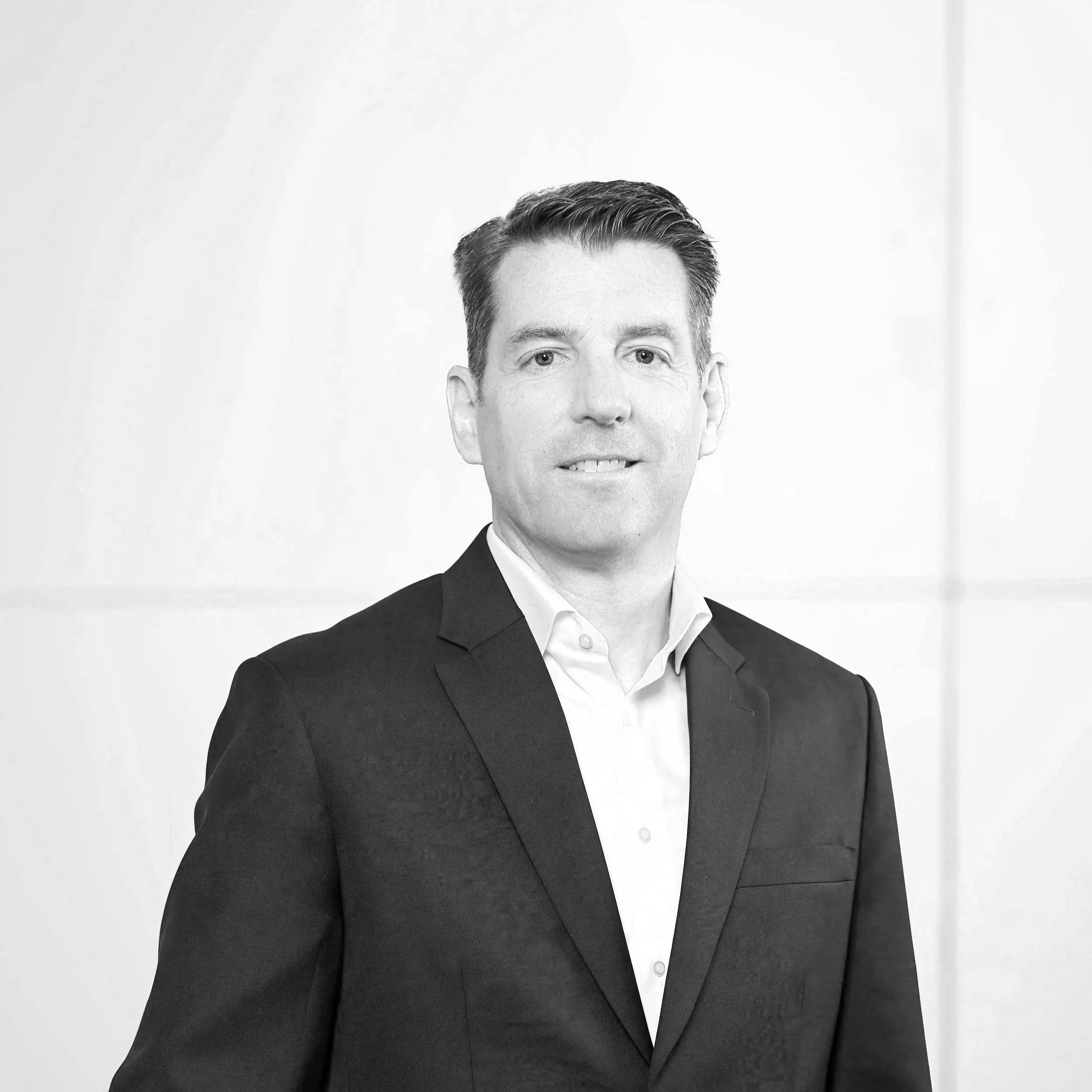
About the person: Oliver Rittgen
Oliver Rittgen has been CFO of Clariant since August 2025. He previously spent nearly 25 years at Bayer AG in senior management roles, most recently as CFO of the Crop Science and Consumer Health divisions. He has extensive expertise in finance, M&A, transformation and risk management.