


7 Answers
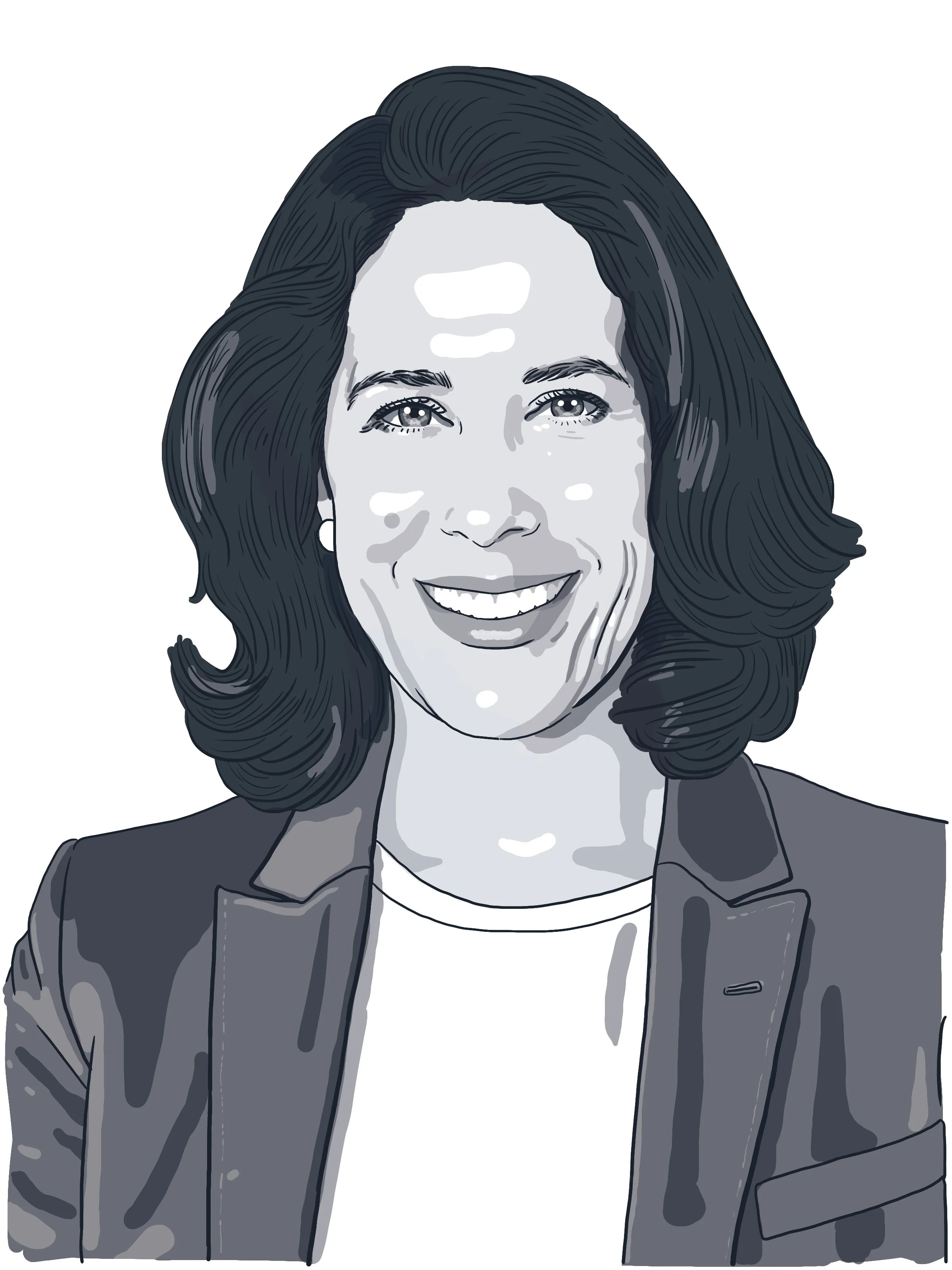
Cecilia Silva-Wagner
Head of ESG, Landis+Gyr AG

Magdalena Podoska
Head of Sustainability Reporting, ABB
1. Compliance vs. impact – contradiction or symbiosis? How does this look in your company in concrete terms?
Cecilia Silva-Wagner: I see it as a symbiosis, if the balance is right. Too much compliance can stifle impact, while too little can erode trust. In our company, compliance creates the foundation for impact. It provides the structure and credibility to accelerate progress in areas like decarbonization, circularity and responsible supply chains.
Magdalena Podoska: Let me be a bit idealistic here: the purpose of regulations is at the end of the day to achieve an impact; symbiosis is hence what the ideal state should be. It is not always clear, though, especially if regulations are perceived as excessive. In case of sustainability reporting and the recent Omnibus changes, regulations are being revised in response to practitioners’ feedback – both report preparers and users. We want to report what truly matters and see that recipients of our reports trust these disclosures and react to them. Also internally, compliance helps us focus our efforts – with more confidence that the data we use for internal steering is reliable and knowing to what extent it is comparable with our peers.
2. How do you define the term "future fit" in your area of responsibility?
Cecilia Silva-Wagner: Being "future fit" means anticipating stakeholder expectations and integrating them early into our strategy and operations. It’s about building strong governance, reliable data capabilities and a culture that sees sustainability as a driver of longterm competitiveness.
Magdalena Podoska: For the more imminent future it is to be able to very quickly adapt to the changing reporting requirements, especially in the context of Omnibus. A more general point is to ensure that our company has the right and solid data and insights to take strategic decisions regarding sustainability for years to come.
3. What strategic role does sustainability reporting currently play in your company?
Cecilia Silva-Wagner: Sustainability reporting serves as a strategic management tool. It provides transparency for stakeholders while guiding internal decisions by showing where we lead and where we must improve. It aligns the organization around a shared view of progress and priorities.
Magdalena Podoska: We work with a wide array of functions across the business, including strategy. Everybody making business decisions should be aware of what they mean in terms of sustainability.
4. How can sustainability be successfully integrated across departments into day-today operations?
Cecilia Silva-Wagner: By placing responsibility where the business expertise sits and equipping teams with clear guidance, the right resources and strong governance. Sustainability embeds itself when it becomes part of core processes – from product development to procurement – driven from within rather than added from the outside.
Magdalena Podoska: I will quote our Head of Sustainability, Anke Hampel, here: it is essential to integrate sustainability into core business processes and decisions; to achieve this, it is crucial to communicate effectively in business operational terms with both internal and external stakeholders.
From my sustainability reporting lens, I would add that it means that both the sustainability function and the business speak the same language, develop the same understanding of data.
5. Is AI already having an impact on your company's sustainability reporting, and if so, how?
Cecilia Silva-Wagner: Yes. AI is already supporting several steps in our reporting process. It helps automate data collection, flag anomalies and improve data quality, reducing manual checks. We also use AI to assist with drafting and standardizing disclosures, increasing consistency across frameworks. This frees up time to focus on analysis and insights rather than administrative tasks.
Magdalena Podoska: We use AI to support some elements of our reporting process. As our disclosures are fully externally assured (limited assurance), we have to be careful however to apply it where it supports the reporting process without jeopardizing data reliability. Two of the areas where AI is very helpful are: understanding the regulations and interdependencies between various requirements, and benchmarking.
6. What do you see as the biggest challenges in sustainability reporting at present – and where do you see opportunities for your company?
Cecilia Silva-Wagner: The biggest challenges are navigating regulatory complexity in a landscape still in flux and meeting growing expectations for granular, audit‑ready data across the value chain. These pressures also create opportunities: stronger data foundations, clearer governance and greater agility can reduce risk and turn regulatory readiness into a competitive advantage.
Magdalena Podoska: The volatility of regulations is certainly a challenge, but an even bigger one is political focus temporarily shifting from sustainability. For ABB, the opportunity lies in remaining fully committed to sustainability. Sustainability creates real value, both for ABB and our customers, by strengthening productivity, improving efficiency and enhancing competitiveness. We know that automation and electrification hold the key to a more competitive and sustainable industrial future.
7. When and how (printed, online) do you read "The Reporting Times"?
Cecilia Silva-Wagner: Mostly in print – preferably with a good cup of coffee. I really enjoy the interviews and articles; they give me a chance to pause, reflect and draw inspiration from others’ sustainability journeys.
Magdalena Podoska: I read “The Reporting Times” online, but we keep a printed copy in our office and are always happy when colleagues who come by discover it and start reading it too.